Feeds:
Posts
Comments

September Newsletter

Come to our performances with the Dallas Bach Society on September 14 in Dallas or September 17 in Alexandria, Louisiana.  Go to DBS website: http://dallasbach.org/

Dance of the Month on September 8th

Have fun on Labor Day Weekend and join us the following weekend at the Open House for the Mark Morris Dance Center.  From 3-3:45pm Catherine Turocy will be taking students from Da Vinci’s Vitruvian Man to the expressive Baroque Bubble which she considers to be at the basis of theatrical dance expression today.

Location: Directions

Ms.  Turocy will also be in residence at The Ohio State University Dance Department from September 24th to October 5th.  From October 8-10 she will be in residence at Indiana University working with the Ballet Department.

Dancers in Action

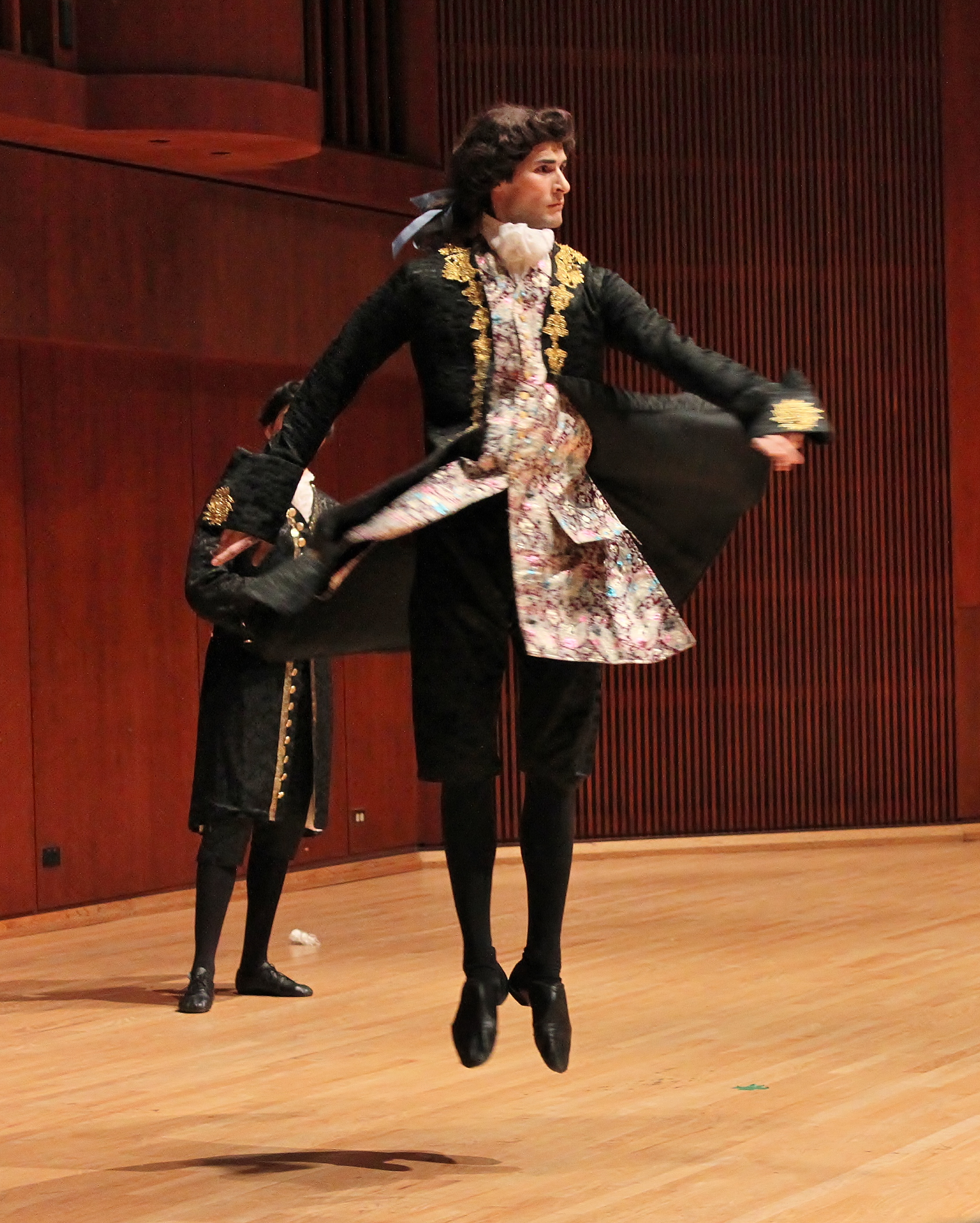
Sarah Edgar and Justin Coates

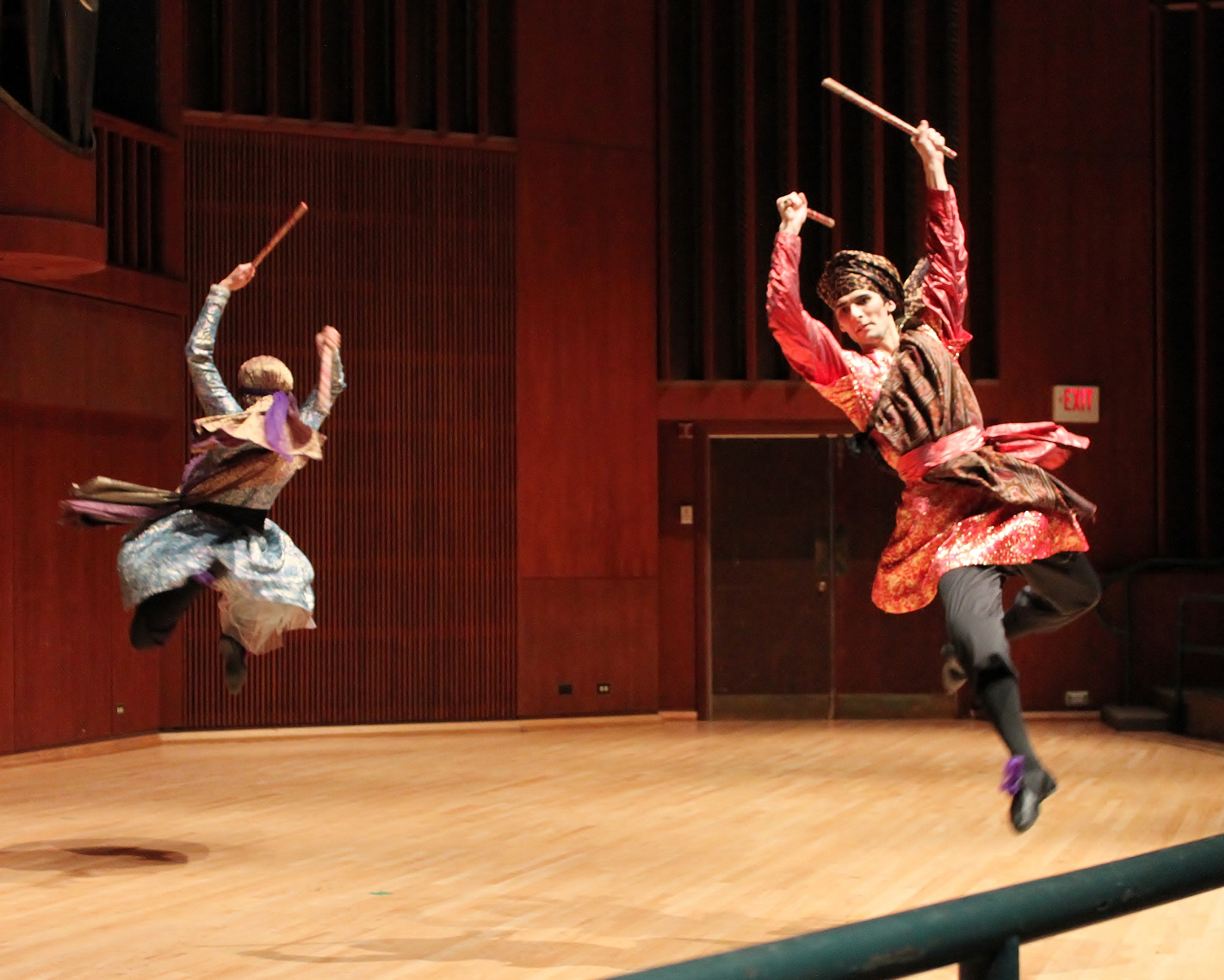
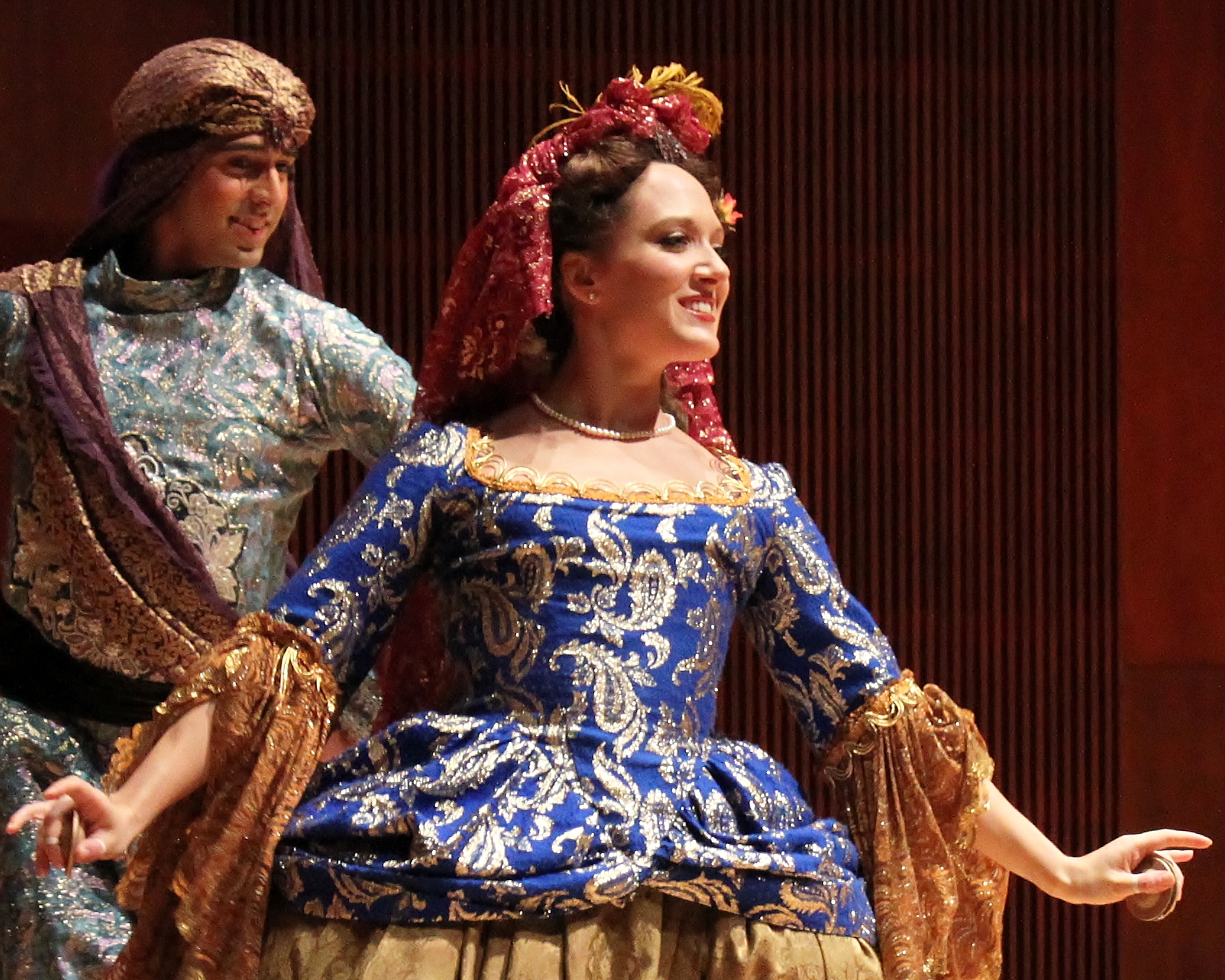
Thank you dancers and photographers Amitiva Sarkar, Stefan Gloede, Courtlyn Hanson and Zachary Wu

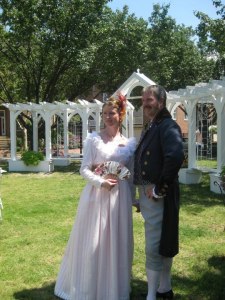
Caroline and Terry at Operation Sail in Norfolk, Virginia

Olsi Gjeci

Carly Fox

Gregory Youdan and Olsi Gjeci

Gregory Youdan and Meggi Sweeney Smith

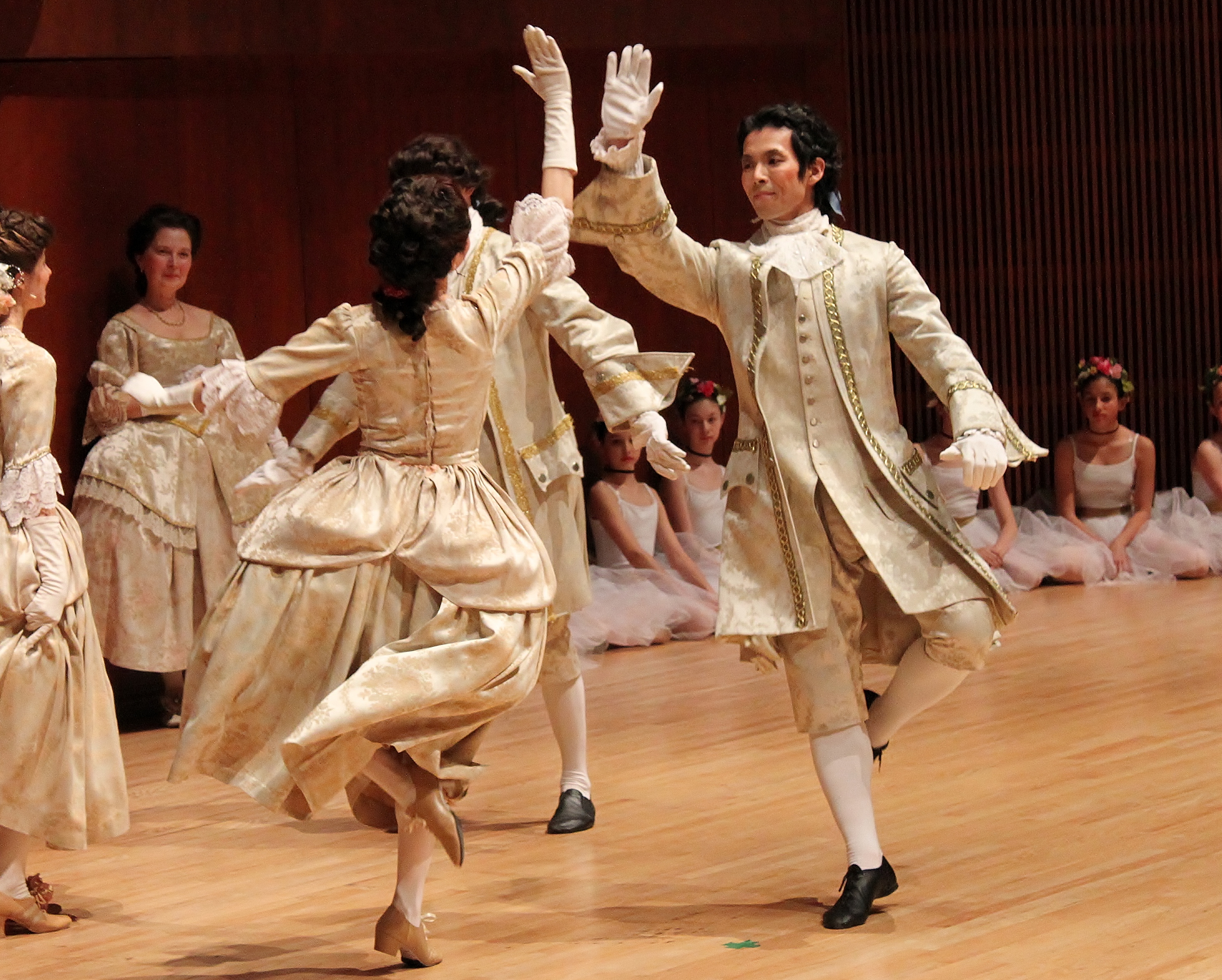
Glenda Norcross and Junichi Fukuda

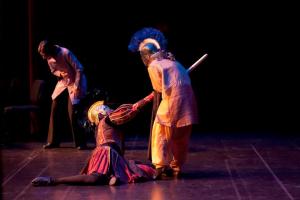
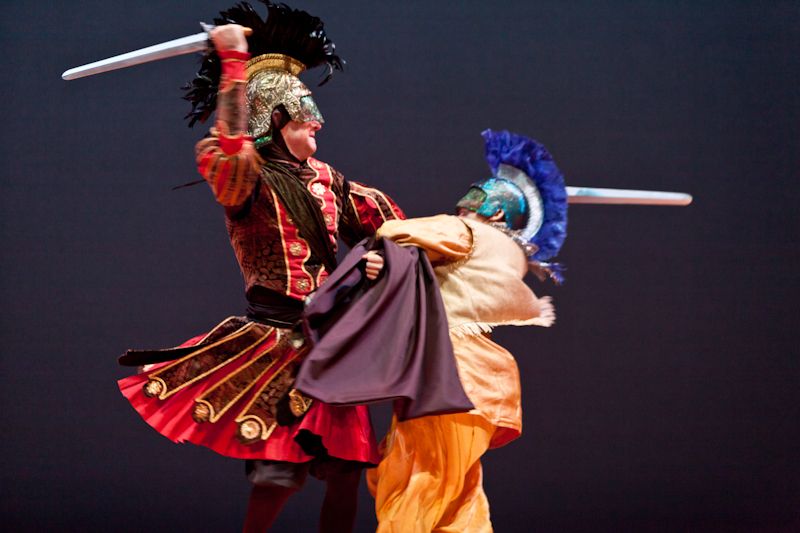
Combattimento with Matthew Buffalo and Alexis Silver

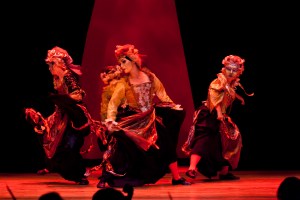
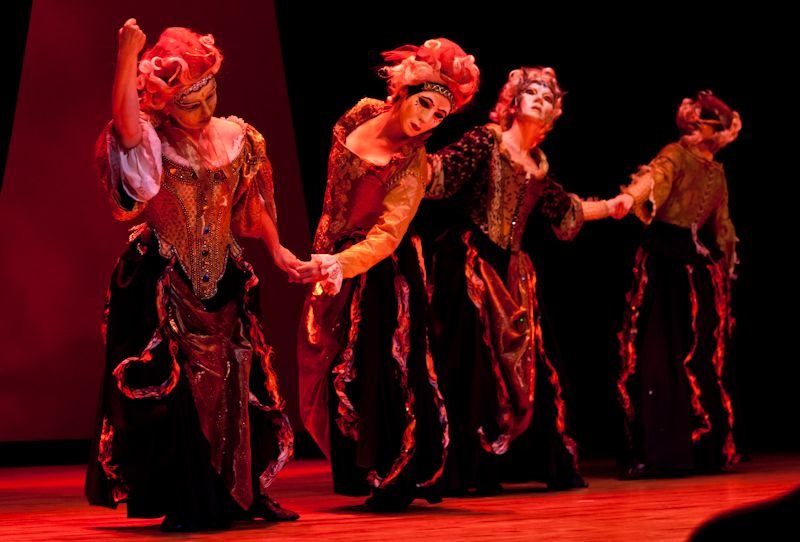
Ballo delle Ingrate

Marie-Madeleine Guimard

Dear Friends,

As the hot summer days of July slowly pass, we are looking at next year’s Dance of the Month. Responding to the feedback from students, The Dance of the Month will be a workshop of exploration into different aspects of 18th century dance. Subjects for study include contredanse notation, period gesture for dancers and actors and danceability in Bach French suites aimed towards musicians with questions of tempi and phrasing… to name just a few.

Teachers include Caroline Copeland, Meggi Sweeney Smith, Catherine Turocy, Ani Udovicki and Seth Williams. These teachers are not only dancers in our company but they hold (or will hold) advanced degrees from Sarah Lawrence, Columbia University and Barnard College. In the past we have had guest teachers Beatrice Massin, Thomas Baird and Carlos Fittante. We hope to continue with inviting guests this year.

Information is forthcoming on our website. We have kept the tuition down to only $15 per class and the time slot will remain 3-4:30pm.

I am very excited about the evolution of the Dance of the Month. Classes will continue to be open. It is vital to any form that a mixture of people participate. Professional performing artists and teachers from all fields are welcome as well as the passionate amateur dancer. Writers, visual artists, critics and social dancers from any era are encouraged to attend.

Ages 10 to 100 can take the class. If your movement capabilities are limited, please watch and enrich us by participating in the discussion.

Looking forward to seeing you on my dance card!

Catherine Turocy, Artistic Director

CAROLINE COPELAND TEACHES SATURDAY, AUGUST 4TH DANCE OF THE MONTH

La Chaine, a most beautiful contredanse, is the perfect metaphor for our workshops. Be a link in the chain of our cultural history and click this link to the Early Dance Network:

http://www.early-dance.de/en/content/6456-la-chaine

Download the dance on your Ipad or print out the pages and come to class.  Caroline will teach you how to decipher this published dance from 1706 which was imported from London to the French court of Louis XIV.  It has delighted both sides of the Channel for centuries. Perhaps one of our readers can answer this next question, is it possible this collection of dances was still in vogue when Mr. Darcy was dancing in Jane Austen’s book? The answer will be revealed at the class!
Details for the Dance of the Month
Saturday, August 4th from 3-4:30
Cost: $15, no need to register, just pay at the door
Location: Mark Morris Dance Center
3 Lafayette Avenue in Brooklyn

MARK MORRIS DANCE CENTER OPEN HOUSE, SEPTEMBER 8th

AND DANCE OF THE MONTH

In the spirit of “tasting dance” for the Open House, CATHERINE TUROCY will bring the Dance of the Month to the open house.  She will teach concepts of the body and movement from Da Vinci to Cahusac to Austin, spanning 5 centuries of thought of the body in motion which are still in practice today. She will focus these principles through teaching a short comic dance for a Zani inspired by her work with Gregorio Lambranzi’s book, The New and Curious School of Theatrical Dancing (1716).

Videos of Interest

1. Mary Anthony: A life in Modern Dance, produced by Tonia Shimin

This video is available on the internet at Dance Horizons:

http://www.dancehorizons.com/store/product.asp?pID=802&cID=18. Y

You can email Tonia  Shimin at shimin@theaterdance.ucsb.edu and order a copy. It is incredibly inspiring and informative as the 65 minute award winning documentary takes you from 1917 to the present and one sees the world of Mary Anthony, a journey of a modern dance visionary spanning the 20th and 21st centuries who is still teaching and still offering scholarships to deserving young dancers.

2. Baroque Dance Unmasked: Workshop to Performance which is advertised on this website is still available for purchase from Dancetime Publications:

http://dancetimepublications.com/products/baroque-dance-unmasked/

Ballo dell Ingrate with stage direction and choreography by Catherine Turocy. Commissioned by Ars Lyrica. Photo by Amitiva Sarkar

For the First time in the history of Baroque Dance one company has given simultaneous performances on the Atlantic Ocean, the Gulf of Mexico and at the Palace of Frederick the Great in Sanssouci. All performances were within hours of each other (depending on your time zone) on June 8/9 with continued performances on the 10th. Congratulations to The New York Baroque Dance Company Dancers (20 dancers) who weathered the outdoor elements in Germany and Virginia and who went to Hell and back in Houston!

See this behind the scenes video  for our performances with Ars Lyrica Houston:http://www.youtube.com/watch?feature=player_embedded&v=7Iy7KYRoA4s


I would like to thank Caroline Copeland for leading our dancers in Operation Sail 2012 and Sarah Edgar for managing the premier of Pygmalion and His Statue at Sanssouci.  They not only managed the two tours on location, but danced as well.

Our part time administrator, Lorna Omessi, helped to organize the complicated itineraries.  Rehearsals began in April at Ohio State University(Sarah and I are alums) where they donated space and video.  We are also grateful to Contemporary Ballet Dallas for donating rehearsal space at the end of May and June.  Shakespeare Dallas helped us with period costumes when we found ourselves in a panic.  Thank you Brian McDonald for your assistance!  Dancer Meggi Sweeney Smith was with us in spirit… she is recovering from an injury … and her understudy, Natalie Young came with us to Houston. Amanda Salituro (just graduated from Hofstra Universitywhere Rachel List is the Director of Dance) and Marisa Clementi (Sarah Lawrence) are also new to the company and did a beautiful job.

Pygmalion (Justin Coates) and His Statue (Sarah Edgar) at the Potsdam Music Festival in Sanssouci, photo by Stefan Gloede

A big thank you to Linda Tomko who was able to arrange a performing schedule with the Berkeley Festival that allowed Ken Pierce and Olsi Gjecito join us in OpSail.  Ken danced regularly with our company in the 1980’s before starting his own company in Boston.  Olsi joined us last fall and also works closely with Carlos Fittante and Caroline in their period choreography.

In the world of dance our company is perhaps the only professional dance company where all its members read and use a dance notation system.  Some dancers are more accomplished than others, but all are trained in the notation system and encouraged to do their own reconstructions.  This tool empowers our performers, helps us mount dances quickly and contributes to the spontaneity and discussion crucial to the creation of art.  I am grateful to the dancers for learning this system, being stimulated to do their own research and contributing to the artistic wealth of the company.

Thank you to the sponsors at each venue with whom we worked very closely to create an environment where everyone could do their best work.  And a heartfelt thank you to the conductors, instrumentalists and singers who inspired us with their art.

Performing in Houston this week, see article:

http://www.yourhoustonnews.com/greater_houston/entertainment/heaven-and-hell-a-baroque-break-in-the-dating-scene/article_fc9f3e90-572b-5491-b056-f48a74b0be60.html


NYBDC on the Go!

fire

Teseo, set by Scott Blake
 
May 27: Berlin International Panel on Baroque Opera Stage Direction
 
Catherine Turocy was invited to speak on an international panel discussing stage direction of Baroque opera in the 21st Century.  Because Turocy is premiering two Monteverdi works and is in rehearsal, she has asked Sarah Edgar to speak for her. We are delighted Edgar can attend.  She will be speaking about Ms. Turocy’s work as a stage director/choreographer and focusing on her groundbreaking production, Teseo,  commissioned by the Handel Festival in Goettingen.

June 2: New York and Dance of the Month

Caroline Copeland teaches the Allemande from Le Devin du Village by Jean Jacques Rousseau at the Mark Morris Dance Center from 3-4:30pm for our Dance of the Month held every first Saturday of the Month
tancredi
Painter Ambroise Dubois, Tancredi e Clorinda
June 8 and 10: Houston, performing  Monteverdi with Ars Lyrica   
Link to Ars Lyrica Website:http://www.arslyricahouston.org/concert_5_12.htm

Catherine Turocy has been commissioned to create stage direction and choreography for Combattimento di Tancredi et Clorinda and the sung ballet,Ballo delle Ingrate  by  Claudio Monteverdi.  Joined by five dancers of the New York Baroque Dance Company in this collaboration with Ars Lyrica conducted by Artistic Director, Matthew Dirst, these works take us from heaven to hell and back again, with musical imagery that still surprises, even after four hundred years!

June 8, 9 and 10: Norfolk with a Salute to 1812

Link to Op/Sail 2012 : http://www.opsail2012virginia.com/events-schedule/norfolk

NYBDC will be performing as part of the festivities celebrating the 200th anniversary of the War of 1812.  Social and Comic dances of the era reconstructed by Caroline Copeland and Catherine Turocy as well as Ken Pierce, Ani Udovicki, Rachel List and creative contributions from Olsi Gjeci promise to make this an entertainment for the whole family. Come see the Tall Ships, learn about the War of 1812 and experience our heritage in music and dance.
barbarini
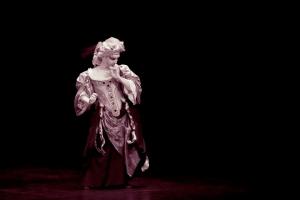
Barbarina
June 9: Sanssouci and Happy Birthday Frederick the Great!

Commissioned especially for Frederick the Great’s 300th birthday at Sanssouci in Potsdam, Germany, Catherine Turocy has created a comic pantomime to the music of Carl Heinrich Graun’s  

“Pygmalion and his statue” from Adriano in Siria (Berlin, 1745). Sarah Edgar dances the role of Barbarina Campanini who played the Statue and Justin Coates, dances the role of Pygmalion.  L’ARTE DEL MONDO conducted by Werner Erhardt will be the musicians for this unique concert to be followed by fireworks!


June 29 through July 1st: Santa Barbara Historical Dance Weekend
There is still time to register for this workshop.  The university is holding more dorm rooms for us until May 27th. Please visit the link above to learn more about the multi-era workshop, tribute to Richard Powers and rare ballet repertoire.


Dorm Rooms Open Again!

Click here for the latest information on the Santa Barbara Historical Dance Weekend:

http://campaign.r20.constantcontact.com/render?llr=wsynpkcab&v=001RTSvD7iYYABA2B4-OOfd3EBffjkS7fs4hxkiYlaPYDQlbqEV9UFgARdsyX-fa2OGR3KLc9cSwzfoDjDIGo5SCaMEAzk1zffXJet1-cl0VtBMd75uNSAJGw%3D%3D

Catherine Turocy was the co-director and choreographer for an interdisciplinary project at Indiana University which resulted in two performances of “Lully, Glory Without Love?”  Mace Perlman, co-director and author of the spoken dialogue, performed in the production, drawing from his gifts as actor and mime.  Conceived by Allison Calhoun and conducted by Nigel North, the project was a huge success.  Catherine is grateful to Sarah Edgar for assisting her in teaching and coaching the dancers from the Ballet Department who donned Baroque costumes for the first time and performed in both noble and grotesque dances.  Here is the review link with the complete names of the artists: http://blogs.music.indiana.edu/choral/2012/04/25/review-baroque-orchestra-pro-arte-singers-dancers-magically-tell-lullys-story/

photos taken by Sung Lee

The Early Dance Institute

” As a young student at The Ohio State University in the 1970’s I dreamed of what the early dance field would be in decades to come.  Here are my current thoughts.  I welcome your feedback – it takes more than one person to make this dream a reality. Feel free to post comments on this blog or to send a letter of support emailed to cturocy@gmail.com  ”  Catherine Turocy

Brief Description: The Early Dance Institute would provide a comprehensive program in the study of historical dance performance before 1900,  supplementing performance with research and theoretical studies, leading to degrees at the graduate level. The faculty would consist of internationally known performers and dance historians who specialize in the performance of early repertory. The EDI would include university-wide academic support from disciplines as diverse as musicology, computer studies, literature, medieval studies, and fine arts.

EDI would be a unique environment of research and experimentation that does not exist anywhere else in the world. Here, students could delve deeply into the sources of dance from the 15th-early 19th century, and would eventually be able to independently reconstruct dances as well as use their knowledge for new, contemporary creations rooted in the principles of historic performance practice.  While classes in early dance that include technique and discussions of period sources exist in a handful of other universities (Université de Nice inFrance and the Danshögskolan inSweden), they are not comprehensive focuses of study, but rather elements of a well-rounded dance education. Most professional dancers working in period styles in Europe expand their knowledge by taking workshops, working on their own, or learning by performing in various short-term projects. The Early Dance Institute would be the only place where students can fully concentrate on early dance and its application in today’s dance world. This extended period of study outside of the pressures of the current dance scene leads to a more profound depth of knowledge that engender exciting experimentations, fresh ideas about reconstructing dances from period sources, and insights into creating new dances in period styles.

Uniqueness of Program: Programs such as EDI are very current in music departments across the country and in Europe. Art History and Theater History programs also exist on the graduate level. The University of California at Riverside at one time carried a Dance History program on the graduate level, but has since changed its focus to world culture. The Early Dance Institute as described in this proposal would be a unique program, drawing international interest from around the globe.  This would bring a new era in dance studies and their practical application to dance performance.

The program would include lessons in Western period dance technique with extensive solo and ensemble performance opportunities.  The program would offer academic courses designed to provide an understanding of the many practical and theoretical areas essential to performance of medieval, renaissance, baroque, and classical dance (e.g. improvisation, ornamentation, articulation, period movement and gesture, mask work, costume design, historical stage direction, historical notation, bibliography, dance theory, etc.). Research would be encouraged, and opportunities for research provided both in academic courses and in elective special projects. The faculty of the Early Dance Institute would make every effort to accommodate a student’s specialized interests without losing sight of a broader commitment to artistic excellence and scholarship.

The student body would be comprised of graduate students and a smaller number of undergraduate students minoring in early dance from the culturally diverse student population. In addition, all activities of the EDI would be available to the approximately  200 dance students majoring in standard practice areas.

Practical Questions

Which classes would be offered/required?

1. Foreign language: choice of French, Italian, German, Spanish, Russian

2. Historical Dance Technique as the daily 2 hour technique class. We could offer a different period each semester.  Perhaps it should also be at a different time than the ballet and modern technique, so that they could take those classes in addition.

We could offer a separate, more “survey” course for the minors and non-early dance students in the afternoon.

3. Dance Observation and Writing connected with an investigation of period sources

4. Historical Dance Analysis including cultural perspectives

5. Musical Score Reading from different periods

6. Historical Dance Theory and its application in period repertoire

7. Dance Composition (historical choreographic conventions and how those conventions can, or are, still used today. Choreographing in a period style)

8. Reconstruction and Interpretation of Historical Notations/Texts

9. Repertory Performance

How does the NYBDC interact with the program?

Answer: Teaching technique, composition, notation, early dance repertoire.  Acting as advisors.  Inviting student dancers to join us in summer projects in European festivals.  Working individually with students in applying dance theory to practice in an experimental fashion…this could be a neo-historical effort or an effort to further define a historical style by deepening approaches of “authenticity.”  Also, after graduating, for those dancers who wish to continue performing on the stage, we could definitely help to place them in our company or another company they might be interested in.

Additional Thoughts:

I think we could make this work in the Midwest.  With so many early music programs and dance programs at Oberlin College,  Indiana University, Case Western Reserve, Ohio State University and Denison University, a production could be created with students where the production would tour the different universities but the student performers would change, depending upon the needs and strengths of the particular university. This would allow the different institutions to join resources to support period theatrical productions in which their students would gain valuable experience and the early dance and music fields would benefit  by seeing productions which are too big for the smaller professional companies to produce. The NYBDC dancers could enhance the educational experience by participating in weekend residencies with the various university departments, preparing the students as needed.

Theater projects would also be very exciting to do.  We could alternate music and theater if we want.

We could also collaborate with the Art Department, local Museums, local historical sites and interact with the community on historical projects which would have a dance component.

The performance element of EDI is important.  Combining theory and practice is very important to me and important to furthering the field of dance history.

Breaking News!

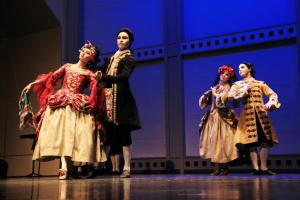
Our March 11 performance at Cornell University was a success!  Pictured above are Carly Fox and Olsi Gjeci in Campra’s L’Espagne. Here is a link to the review: http://cornellsun.com/section/arts/content/2012/03/14/afternoon-opera

Cornell University has also posted a short video clip of the dress rehearsal ending with the Minuet for the Amazons, always a favorite! http://www.cornell.edu/video/?videoID=1964&utm_source=chronicle_weekly_enews&utm_medium=email&utm_campaign=1964

Deadline for registration for the Santa Barbara Historical Dance Weekend has been extended to March 20th for those students securing dorm rooms.  If you are not staying in the dorm your deadline is May 1, 2012. Here is a video clip from Mariel McEwen who recorded Catherine’s class at UC Santa Barbara last November: http://vimeo.com/38406982

Only a month ago we were in Le Touquet for the festival. Olsi Gjeci captured a typical scene in the town:


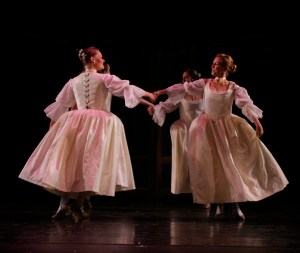
Courtlyn Hanson took this wonderful photo of our performance at Southern Methodist University where young dancers joined the company and danced Mr. Priest’s Minuet.