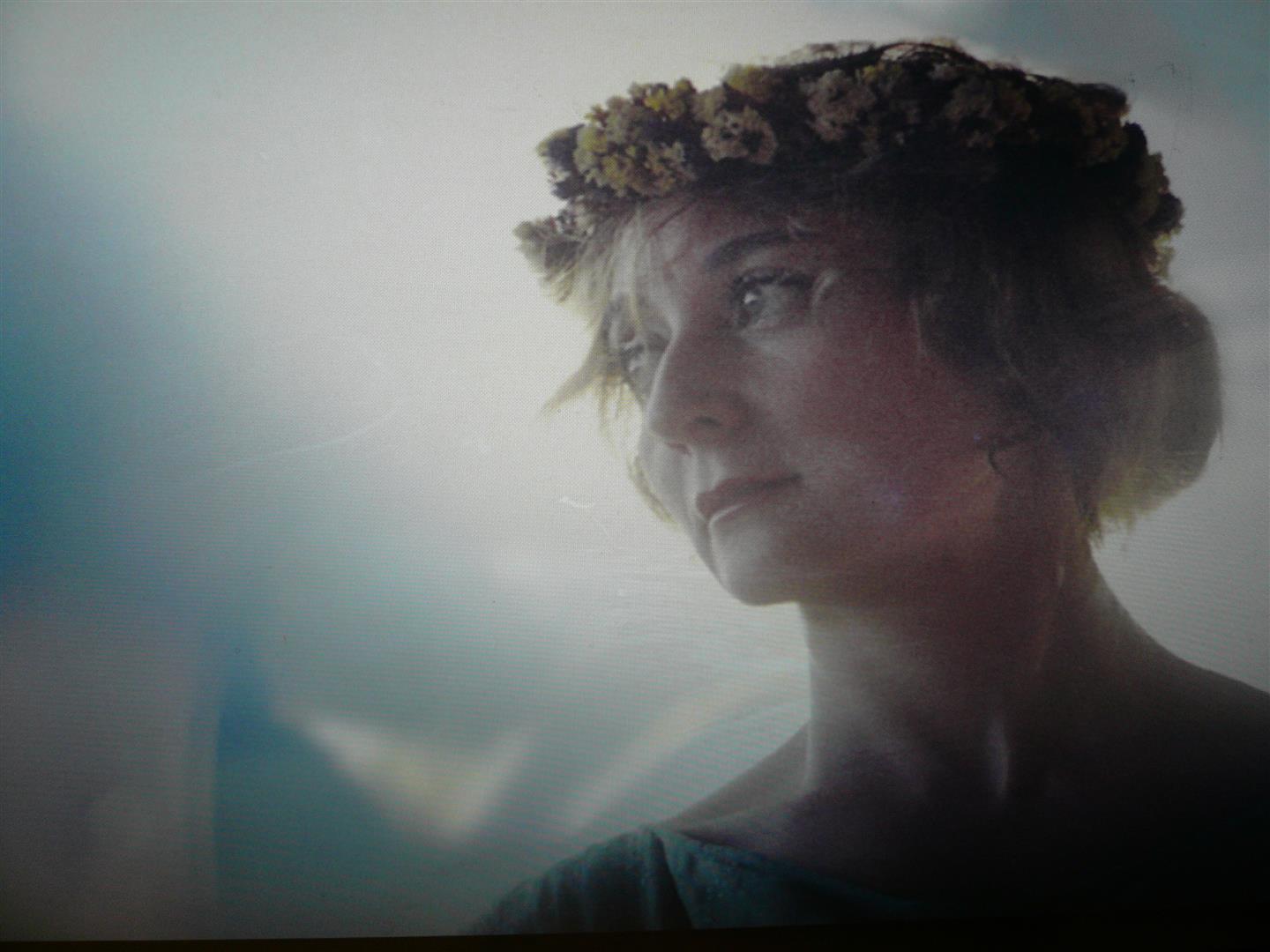
Remembering Régine Astier (September 3, 1935-March 4, 2024)
by Catherine Turocy
“Régine Astier was a shining example of an astute dance historian whose precise words, in French or in English, fairly danced on the page.” Sandra Noll Hammond
An important pioneer in the early dance field, dancer, writer, translator, researcher, and choreographer, Régine Astier, 89, died at home with her caregiver, Gosia Laszuk, by her side.
Born in Nice, France on September 3, 1935 to M. and Mme Riffard (Astier was a name Regine chose for herself later), she had one sister and one brother. She and her family lived through World War II. Her father participated in the Resistance. Her mother was a school director.
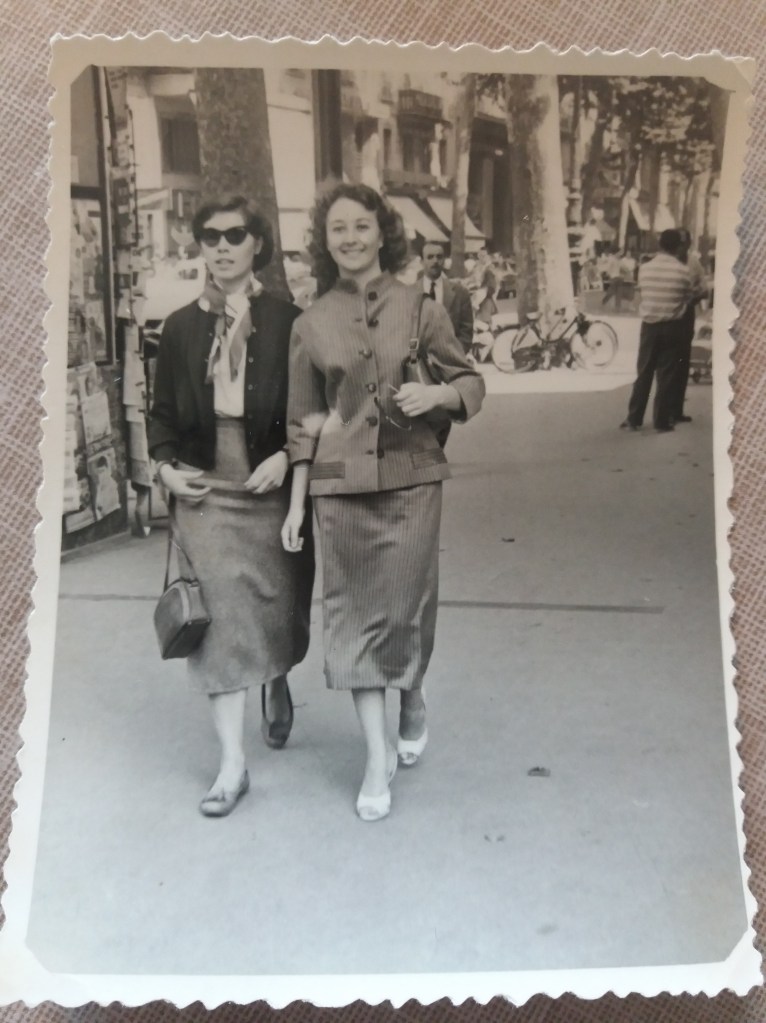
Marie-Claire Masson and Régine in their youth
In her youth, in addition to her rigorous academics, Régine studied ballet and played the harpsichord. After graduation her parents sent her to London to continue her studies in ballet. Here she met her husband, David Kunzle. David had married Régine who at that time was a writer, translator, and dancer, in 1959. He was a member of the British Universities gymnastics team headed to the First International Student Gymnastics Championship in Moscow. Later, he and Régine went to Canada, where he taught for a year at the University of Toronto, then on to an appointment at the University of California Santa Barbara (1965-73). He and Régine parted ways in 1970. Link to David’s obituary https://www.legacy.com/us/obituaries/legacyremembers/david-kunzle-obituary?id=54282568
While in London, Régine was also introduced to historical dance by expert Belinda Quirey. At the time Wendy Hilton was Belinda’s student and just beginning to make her career.
According to Sandra Noll Hammond:
” Régine’s research in European dances of the seventeenth-eighteenth centuries began in the Paris Library long before Xerox or other reproduction aids were available. Hours spent hand-copying and translating primary source materials resulted in shelves of files in her Santa Barbara, California office, which she herself had remodeled. Régine believed in freely sharing her knowledge of the Baroque period, which she did with Wendy Hilton, who did not have the same French research experience nor knowledge of the language. Wendy never credited Régine. This was such a disappointment for Régine that she gave up the subject of Baroque dance altogether and turned her energies to modern dance. (She danced with the Kei Takai company (https://keitakei.org/kei.html ) and also sold French crepes and flowers, dressed in costume, on the street.)
Régine was as adept at intricate carpentry as she was in creating elaborate theatrical costumes. These talents were recognized early on by a coterie of dance artists in New York’s Greenwich Village during the 1960’s. She opened her apartment each Sunday to dancers for a bring-your-own-brunch. Lar Lubovich and Paul Taylor were frequent guests. Régine later traveled with the fledgling Taylor company assisting with costumes and props. Taylor always visited her when his company tours brought him to the Santa Barbara area.
Régine finally returned to things Baroque, and she and I had many joyful years collaborating on performances. She owned a harpsichord, which she played beautifully, so she could realize musical scores while I could interpret the Feuillet dance notation with more ease.”
Mariel McEwan recalls that upon moving to California in the early 1970’s Régine taught briefly at California Institute of the Arts. In her home in Santa Barbara she began the Conservatory of Baroque Dance Theater in 1993. Students Marisol Cabrera and Austin McCormick went on to become professional dancers. Below is an interview link with McCormick speaking of his work with Régine. (https://www.independent.com/2007/07/19/austin-mccormicks-neo-classical-choreography/)
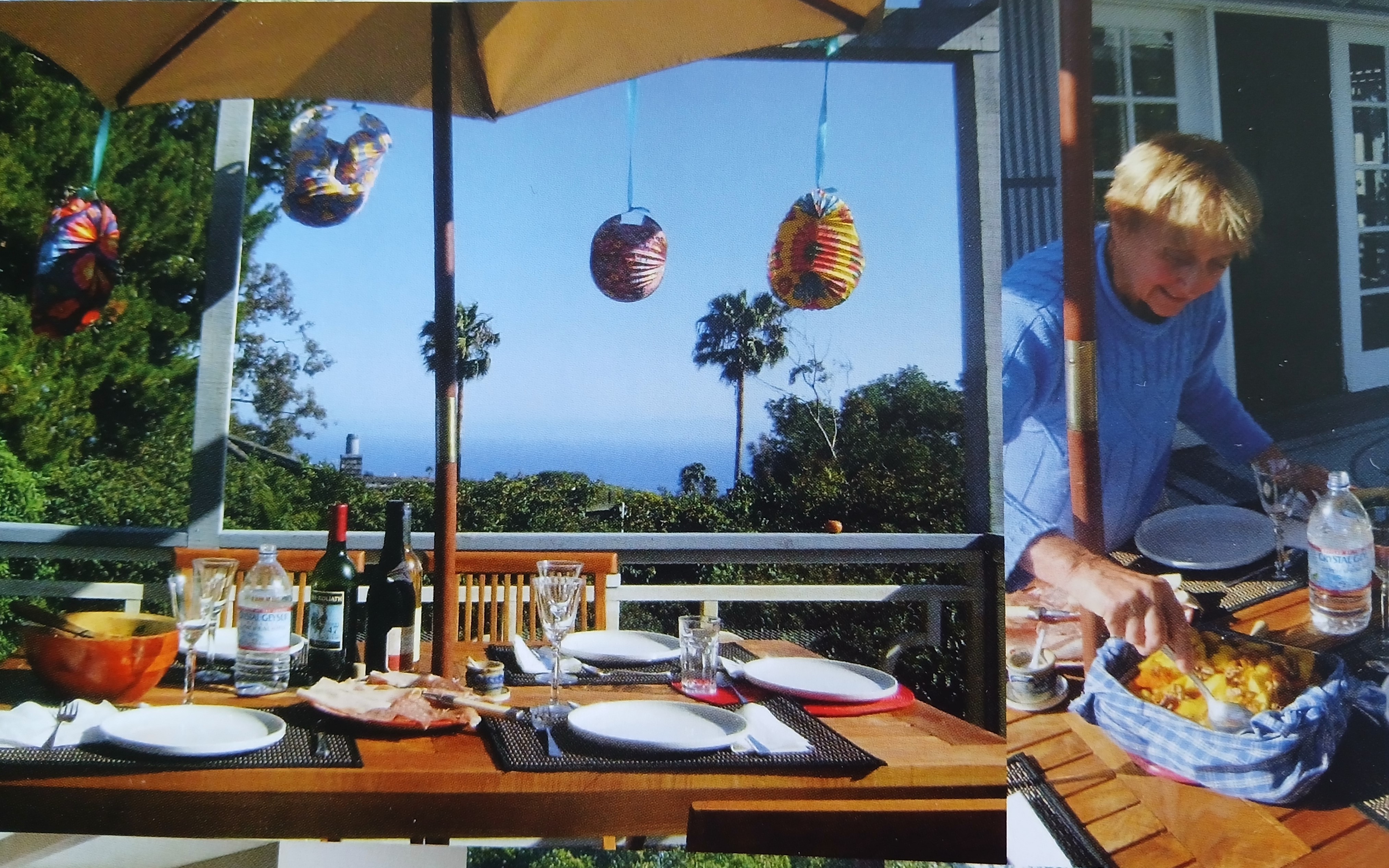
” Visiting Régine at her Santa Barbara home was always a treat. There was: Régine s “French” artistic personality, her French accent, French cooking, breakfasts, dinner, long French stories with late French night snacks and French wine. Her lovely home was full of marvelous treasures which she sought out at French open air markets – collections of 18thc notions, trims, embroderies and two 18thc original silk dress, which, if you were fortunate, you could slide into with the rustle of silk.
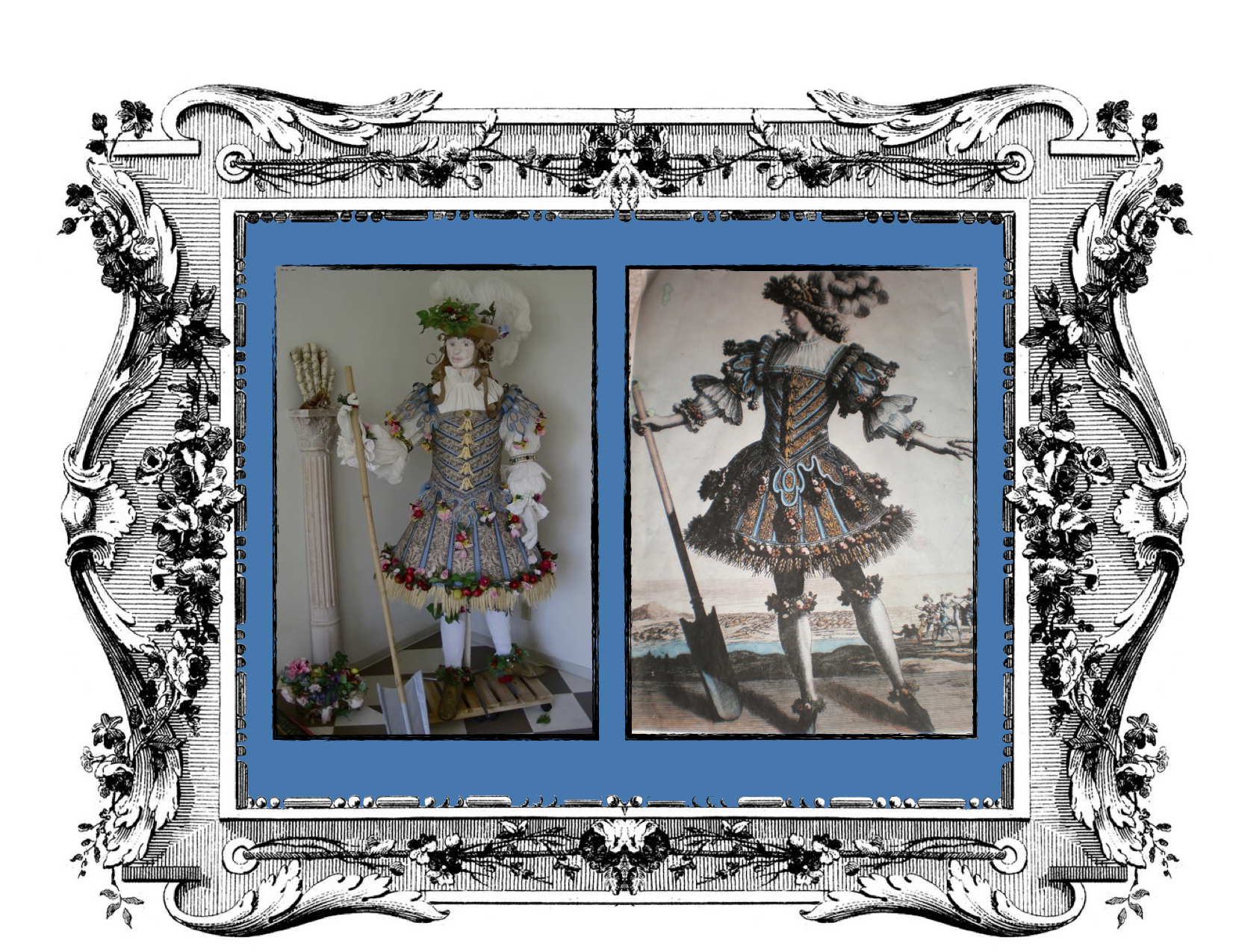
In my conversations with Régine I did not consider myself suited to the first level of the “Noble Style” of baroque dance. I was enamored of the “character” dances, especially of the Harlequin. For my masters degree at the University of New Mexico, studying with Judith Bennahum, I proposed identifying specific Feuillet symbols for character steps. Working with Regine and her notations my masters thesis and concert were a joy to investigate and perform.”
Masters concert of “Harlequin’s Garden.
Dance notations identified at the end
For myself, I met Régine on a train going to Besançon for the Premier colloque international sur la danse ancienne, Besançon in September 1982. We became fast friends as she expounded on dance history and theory, the lives of dancers and period aesthetic. In 1985 I invited her to collaborate with me and my dancers, The New York Baroque Company, at Dance Theater Workshop. Jack Anderson of The New York Times remarked:
“The program also included ”Que Savez-vous de Camargo?,” a one-act play by Miss Astier that showed the somewhat reserved Sallé and the effervescent Marie-Anne Camargo, Sallé’s chief rival, chatting in a dressing room and occasionally pausing in their conversation to dance items from their repertories. There were moments when, to convey facts about the ballerinas, the dialogue grew slightly labored. But most of the time it was witty as well as informative. Miss Turocy was a dignified Sallé and Miss Astier made Camargo a chic coquette…” This concert was video recorded and can be found at the NYPL library https://digitalcollections.nypl.org/items/2e7e13b0-b2c4-0131-0be1-3c075448cc4b
Another quote from the New York Times, also Jack Anderson: “And Ms. Astier wore a mask in her Grolier Club program. Moving masked through the room in a plumed headdress and a resplendent gown, she seemed otherworldly.” https://www.nytimes.com/1986/11/16/arts/dance-view-the-world-of-18th-century-dance-comes-back-to-life.html
It is true Régine was not only otherworldly but created her own world. She convinced me to bring our summer workshop to Santa Barbara (2013-2016) which was a highlight for the company every year. Here the world of Baroque dancers came to her, including Bruno Benne, Alan Jones, Ana Yepes and our own talented dancers. Richard Powers and Sandra Noll Hammond took us to the 19th century.
Although Régine had visions of leaving her home as a residence for guest artists visiting Santa Barbara, especially early dance history students who could study her archives, the practical details must have proved insurmountable. This dream was never realized.
Régine was above all a first-class researcher and talented writer. Her detective work in the archives of Paris, Versailles and Angers among others, uncovered the lives of 18th century dancers. A bibliography of her work will soon be posted thanks to Rebecca Harris-Warrick.
Régine’s ex-husband, David Kunzle preceded her in death on January 1, 2024. Her brother died an early death. Her younger sister of two years, Marie-Claire Alzial, followed Regine in passing, October 22, 2024. Marie-Claire’s daughter, Isabelle, is also deceased. Surviving family member are Jean Alzial (Marie-Claire’s husband), Julian Barnouin (husband of Isabelle) and two grandchildren.
I am in debt to Marjorie Kunzle, widow of David Kunzle, for her compassion and assistance in putting me in touch with Régine’s caretaker, Gosia Laszuk. Believing she was following Régine’s wishes, Laszuk only notified family members and neighbors.
In the words of Sandra: “ Régine was a private person whose death went unnoticed until Catherine Turocy tried to reach her over a year later and discovered she was deceased, a sad commentary on the fleetness of the dance—it’s over as soon as it happens. For Régine, her shining presence will be greatly missed.”
Thank you, Sandra and Mariel in assisting me with the obituary.
Please feel free to add stories and comments.
Thank you to Anne Masson for providing the photos for this post.


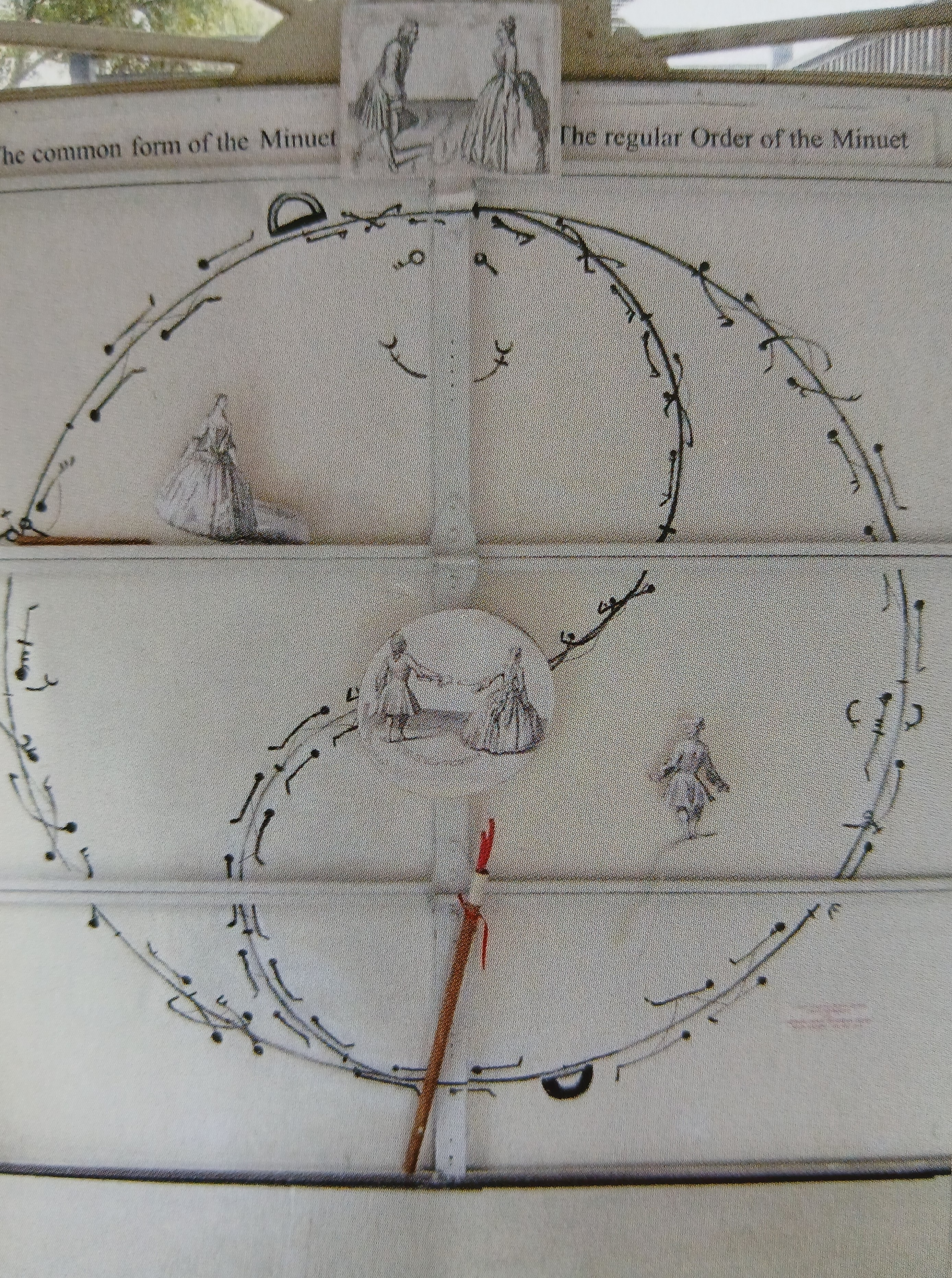
 The New York Baroque Dance Co.
You must be logged in to post a comment.